

CloudMoon takes a completely different route than most cloud gaming services. Instead of chasing PC and console games, this thing focuses exclusively on mobile titles. That narrow focus creates both real advantages and obvious limitations depending on what you’re after.
What CloudMoon Actually Offers
CloudMoon streams Android games to your device without any downloads or installations. The entire app sits at just 15MB, letting you play stuff like Genshin Impact, Fortnite Mobile, and Roblox even on devices with basically no free space or seriously outdated hardware.
Works through iOS and Android apps, no powerful local hardware needed. An old phone from 2019 or some budget device can suddenly run graphics-heavy mobile games smoothly because all the processing happens on CloudMoon’s servers.
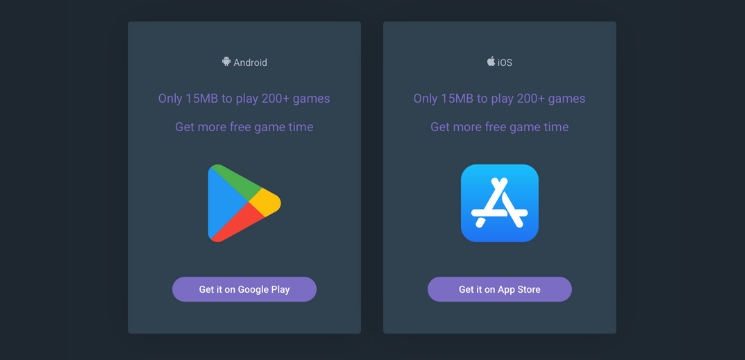
This targets a specific problem that’s genuinely annoying. Plenty of popular mobile games now exceed 10GB in size. Devices with 32GB or 64GB storage struggle maintaining multiple large games alongside photos, apps, and system files. CloudMoon just eliminates that storage headache entirely.
How It Works
Launch a game through CloudMoon and you’re essentially accessing a virtual Android device running on their servers. The game runs normally there while streaming video to your phone. Your inputs get sent back instantly, creating what feels like local gameplay when conditions are good.
The Time-Based Model
CloudMoon operates on time rather than traditional subscriptions alone. Free users get limited daily playtime, extendable by watching ads. Each ad typically grants 4 to 10 minutes of additional play, though this varies and has changed over time based on what users report.
Paid subscriptions remove these time restrictions and provide better queue priority during peak hours. The ad-supported free tier makes sense for casual testing, but actually using it regularly pretty much requires paying.
Game Library and Selection
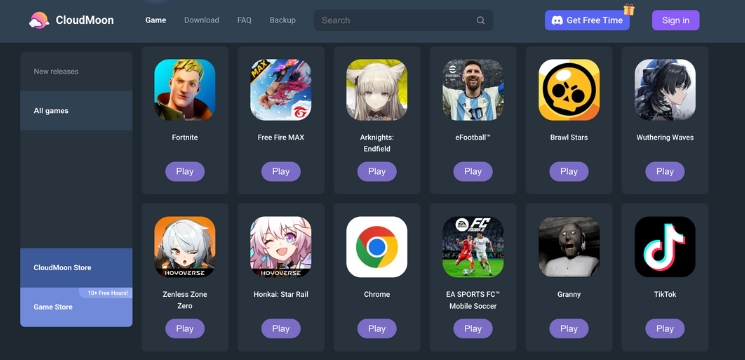
The catalog includes hundreds of popular mobile titles. Gacha games like Genshin Impact, Honkai Star Rail, and Wuthering Waves feature prominently. Competitive multiplayer like Mobile Legends, Brawl Stars, and Call of Duty Mobile works through the service. Sandbox stuff like Roblox and Minecraft Pocket Edition streams fine.
What’s Missing
Desktop games don’t appear here at all. Want to stream PC titles? CloudMoon isn’t it. This mobile-only focus makes perfect sense given the storage problem they’re solving, but it definitely limits the audience.
Game selection leans heavily toward free-to-play titles with in-game purchases. Premium paid mobile games get less representation. This reflects mobile gaming’s overall landscape more than any CloudMoon-specific limitation really.
Performance Across Different Scenarios
Streaming quality reaches 1080p on paid tiers, with frame rates hitting 60fps on the Pro plan. Visual quality looks comparable to mid-range Android phones running games natively. Colors stay vibrant, text remains readable even during fast action.
Latency Considerations
Input lag varies considerably based on your connection and server load. Turn-based games and slower titles handle the inherent delay well. Fast competitive games show the limitations more clearly. Playing ranked Mobile Legends or competitive Brawl Stars through streaming feels noticeably different than local play.
Some users report smooth experiences with minimal lag, others encounter stuttering or delays. Geographic location relative to servers matters significantly, though CloudMoon doesn’t provide server location info publicly.
Device Compatibility
Works on both new and old devices as long as they meet minimum requirements. That 2017 iPhone or budget Android phone gains access to games it could never run locally. The democratizing effect matters for people using hand-me-down devices or operating on tight budgets.
Battery consumption stays low compared to running demanding games natively. Your device isn’t doing the computational work, just displaying video and sending inputs. This extends gaming sessions considerably on devices with aging batteries.
Pricing Structure
CloudMoon offers multiple subscription tiers, though pricing varies by region and changes periodically.
Free Tier
The free option provides limited daily playtime, typically 15 to 30 minutes. Extensions come through watching advertisements, with each ad granting several additional minutes. Queue times during peak hours can be lengthy for free users.
This tier works for extremely casual play or testing. Actually maintaining progress in games with daily login rewards or time-sensitive events requires paid access realistically.
Standard Plan
Around $6.99 monthly in most regions, Standard removes ads and provides unlimited access with queue wait times of 1 to 5 minutes. Resolution improves over the free tier, making this the entry point for regular users.
Premium and Pro Plans
Premium sits at roughly $9.99 monthly, reduces queue times further and enables HD streaming. The Pro plan at approximately $14.99 monthly adds 60fps support and minimal queuing. These upper tiers make sense for people playing daily or engaging in competitive multiplayer.
Regional pricing creates significant variance. Some areas see lower costs, others pay substantially more. The lack of clear pricing transparency on an official website complicates comparisons.
Where CloudMoon Excels
Storage liberation represents the primary value here. Playing multiple large mobile games simultaneously without juggling installations or deleting content solves a real problem many users face.
Device longevity extends considerably. That three-year-old phone continues playing new releases smoothly through CloudMoon while identical devices struggle running games locally. The extended usable life of older hardware has genuine economic value.
Low entry barriers help too. The free tier lets anyone try it without financial risk. Even paid plans remain cheaper than most cloud gaming alternatives targeting PC and console titles.
The Mobile Gaming Focus
Specializing in mobile games rather than competing with GeForce Now or Xbox Cloud Gaming creates differentiation. CloudMoon isn’t fighting for the same users really. They’re serving people who want mobile gaming convenience rather than desktop gaming portability.
Where It Falls Short
Legitimacy questions persist around game licensing. Whether CloudMoon has proper agreements with all game publishers remains unclear. The service operates in a gray area that some call “grey cloud” gaming, raising concerns about sustainability and legality.
Customer support exists primarily through Discord and their website, which works but feels less established than dedicated support systems from larger companies.
Time Restrictions
Even on paid plans, queue times during peak hours can be frustrating. Popular games sometimes show wait times despite active subscriptions. Free tier limitations feel increasingly restrictive as the service evolved, with ad rewards diminishing over time according to long-term users.
Session quality varies unpredictably. Some days everything works smoothly, other times you encounter stuttering or degraded video quality. This inconsistency makes CloudMoon hard to rely on for important gaming sessions or competitive play.
Who Should Consider CloudMoon?
Mobile gamers with storage-constrained devices find the clearest value. If you’re constantly deleting apps to make room for game updates, CloudMoon addresses that frustration directly.
People using older or budget smartphones benefit significantly. Extending the gaming life of devices that would otherwise be obsolete has practical worth. The cost of a few months’ subscription beats buying a new phone just to play current mobile games.
Casual players exploring gacha games or trying new releases work well with CloudMoon’s model. The ability to sample multiple games without commitment suits mobile gaming’s try-everything culture.
Poor Matches
Competitive mobile gaming enthusiasts need more consistent performance than CloudMoon reliably provides. The input lag, queue times, and variable quality create disadvantages in ranked play or tournaments.
Anyone uncomfortable with licensing uncertainty should avoid CloudMoon until the service provides clearer transparency about publisher relationships and legal standing.
People with adequate device storage and capable phones don’t gain much here. If your current device runs games fine locally, paying for cloud streaming adds costs without meaningful benefits.
CloudMoon – Pros and Cons Explained
Here’s what CloudMoon does right and where significant concerns exist.
| Pros | Cons |
| Solves storage problems by requiring only 15MB to access hundreds of games | Unclear game licensing creates legitimacy concerns |
| Works on old and low-end devices smoothly | Less established infrastructure compared to major competitors |
| Free tier available with ad-supported playtime | Queue times exist even on paid subscriptions during peak hours |
| Affordable paid plans starting around $6.99 monthly | Input lag affects competitive gameplay significantly |
| Prevents device overheating and excessive battery drain | Time restrictions on free tier became more limiting over time |
The Bigger Picture
CloudMoon occupies a unique space in cloud gaming by focusing exclusively on mobile titles. This specialization makes sense given mobile gaming’s storage demands and the abundance of capable but storage-limited devices in circulation globally.
Sustainability questions around publisher licensing remain the biggest concern. Services operating in gray areas sometimes disappear suddenly when publishers take action or regulatory scrutiny increases. Limited transparency about publisher agreements doesn’t inspire complete confidence about long-term viability.
Technical performance continues improving based on user feedback from app store reviews. The company seems responsive to issues and regularly updates the service. Whether they can maintain operations while resolving licensing questions determines their future prospects.
For now, CloudMoon provides functional value to a specific audience dealing with storage limitations. Works well enough when it works, though consistency and legitimacy concerns prevent unreserved recommendations. Users should approach CloudMoon as a convenience tool rather than a long-term infrastructure investment..
