
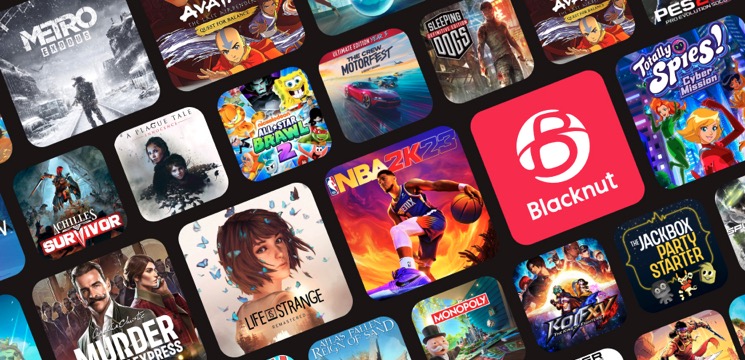
Blacknut operates in a space most cloud gaming services ignore: casual and family gaming. This French company launched back in 2016, making it older than many competitors, though it remains relatively unknown outside of Europe. The service targets a completely different audience than Xbox Cloud Gaming or GeForce Now, which shapes everything about its approach and game selection.
What Makes Blacknut Different
Instead of chasing AAA titles and competitive gamers, Blacknut focuses on accessible games suitable for families and casual players. The library emphasizes party games, indie titles, kids’ games, and older classics rather than the latest blockbuster releases.
This positioning creates an unusual value proposition. You won’t find Call of Duty or Cyberpunk 2077 here. But you will find tons of games perfect for playing with kids, introducing non-gamers to the hobby, or just relaxing without worrying about difficulty curves or time commitments.
The service costs $15.99 monthly or offers annual plans that reduce per-month costs. One subscription supports up to five simultaneous users on different devices, which matters significantly for families. Most competitors limit concurrent streams or charge extra for multiple profiles.
Game Library Focus
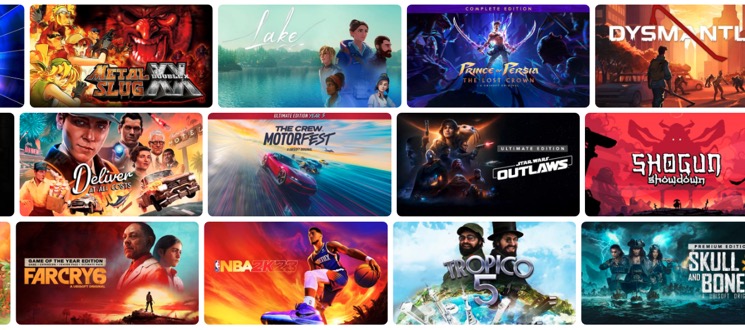
Blacknut’s catalog includes over 500 games currently. That sounds smaller than competitors until you realize they’re targeting different demographics entirely. The selection prioritizes breadth across age groups and genres rather than depth in any particular category.
Kids and Family Games
Children’s games get substantial representation here. Licensed properties like Paw Patrol and Peppa Pig appear alongside educational titles and age-appropriate adventures. Finding games suitable for young kids on other cloud services requires filtering through libraries aimed at older audiences. Blacknut curates that for you.
Party games and couch co-op titles fill another significant portion. Games where multiple people crowd around one screen, taking turns or competing locally. This category gets neglected by services chasing online multiplayer engagement primarily.
Casual and Indie Selection
Indie games from the past decade form another core component. Not necessarily the critically acclaimed indie darlings that get ported everywhere, but solid mid-tier indie releases that offer a few hours of entertainment without demanding mastery or extensive time investment.
Older games from previous console generations appear frequently too. Titles from the PS3/Xbox 360 era or earlier that still play fine but wouldn’t justify individual purchases in 2025. Having them available in a subscription for nostalgic sessions or introducing classics to new players works well.
Performance and Technical Quality
Streaming quality reaches 1080p at 30 fps for most games, with some supporting 60 fps . That’s lower than many competitors, but it aligns with the library; casual games don’t demand cutting-edge visual fidelity or ultra-smooth frame rates the way competitive shooters do.
Latency concerns matter less here too. Turn-based games, puzzle titles, and slower-paced adventures tolerate input delay that would ruin fast-paced action games. Blacknut’s target audience won’t notice or care about latency differences that would frustrate competitive players.
Server Infrastructure
Blacknut operates data centers primarily in Europe, with expansion into other regions happening gradually. European users generally experience solid performance. North American and other international users see more variable quality depending on routing and distance to servers.
The infrastructure feels sized appropriately for their user base. You won’t encounter the capacity issues that plague services during peak demand because Blacknut isn’t chasing the same massive audience. That smaller scale has advantages in reliability even if it limits availability.
Device Support and Accessibility
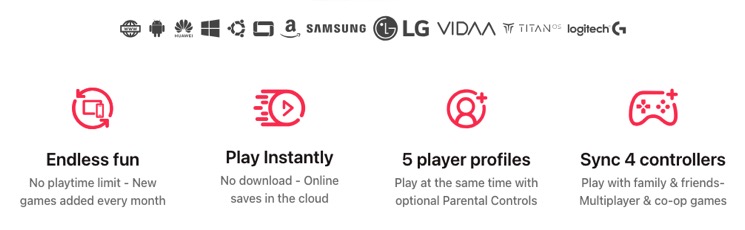
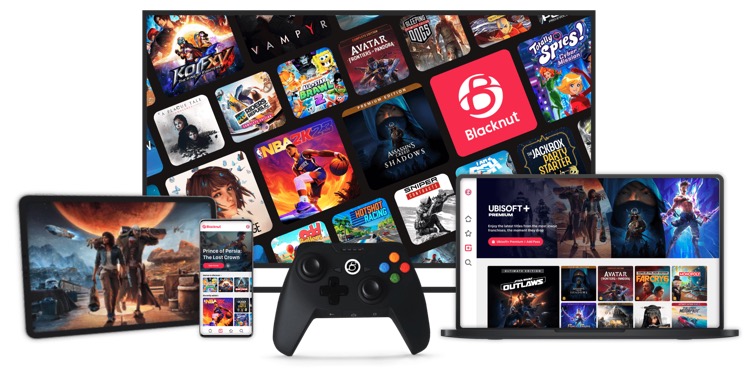
Blacknut works across a wide range of devices: Windows and Mac computers, Android and iOS devices, various smart TVs from Samsung and LG, and even some set-top boxes. The broad compatibility matters for families using different devices throughout the house.
Smart TV Integration
Native apps for smart TVs get more attention here than with competitors. Blacknut clearly expects significant usage from living room TVs where families gather. The interface design reflects this priority, emphasizing simplicity over feature density.
Setup is straightforward enough for non-technical users. Download the app, log in, start playing. No complex configurations or optimization settings to worry about. That accessibility matters enormously for the target demographic who just want games to work without troubleshooting.
Mobile Experience
Mobile apps function well for the types of games in Blacknut’s library. Touch controls work well for many casual and puzzle games. Controllers pair easily for games requiring more traditional inputs. The mobile experience isn’t an afterthought here ; it’s a primary use case.
Family Features and Parental Controls
The five simultaneous streams per subscription provides genuine value for households. Kids can play on tablets while parents use the TV or laptop without conflicts. Most cloud services either limit concurrent usage or charge extra for this capability.
Parental Controls
Age ratings and content filters help parents manage what children access. These controls feel more robust than what competitors offer, likely because family usage represents a core use case rather than an afterthought.
Individual profiles maintain separate game progress and recommendations. Everyone in the household gets personalized experiences rather than sharing one account awkwardly. This matters more for family subscriptions than individual gaming.
Pricing Evaluation
At $15.99 monthly, Blacknut sits in the middle of cloud gaming pricing. It costs more than basic tiers from GeForce Now or Boosteroid but less than Xbox Game Pass Ultimate or premium options.
The five simultaneous streams effectively divide that cost across multiple users though. For a family of four, you’re looking at about $4 per person monthly if everyone uses it. That math changes the value equation significantly versus services charging per user.
Annual Subscription Savings
Yearly plans reduce costs to around $10-11 monthly effectively. For families committed to using the service regularly, that annual option provides better value than month-to-month billing.
No game purchases are required, obviously ; everything is included in the subscription. For families who might buy several casual games throughout the year at $10-20 each, the subscription potentially saves money while providing more variety.
Where Blacknut Excels
The family focus fills a genuine gap in cloud gaming. No other service targets this demographic so specifically. If you have young kids or want gaming options for family gatherings, Blacknut curates exactly that.
Game discovery works better here for casual players. The library isn’t overwhelming with hundreds of competitive shooters or complex RPGs. Browsing actually helps you find something appropriate rather than requiring extensive filtering.
Multi-user support without extra charges provides real value. Most households don’t need five simultaneous streams constantly, but having that flexibility occasionally justifies the subscription versus alternatives charging per stream.
Low-Pressure Gaming
The lack of intense, demanding games creates a more relaxed environment. Everything in Blacknut’s library works for unwinding or entertaining kids without stress. That positioning might seem limiting, but it’s exactly what certain users want.
Where It Falls Short
Anyone wanting recent AAA titles or competitive multiplayer won’t find what they need here. Blacknut doesn’t compete in that space at all really. The library serves a specific niche rather than trying to be everything to everyone.
Geographic limitations affect international users significantly. If you’re outside Europe, performance becomes less predictable. Blacknut’s slower expansion means large markets remain underserved compared to competitors with global infrastructure.
The 30 fps standard for many games feels dated even considering the casual focus. While gameplay remains fine, visual smoothness lags modern expectations. Competitors offering 60 fps as standard make Blacknut’s technical specifications feel less competitive.
Limited Content Updates
New games join the library somewhat slowly compared to competitors. When you’re targeting casual and family gaming, blockbuster day-one releases don’t happen. Content additions feel incremental rather than exciting for keeping long-term subscribers engaged.
Who Should Consider Blacknut
Families with young children find the strongest value proposition. The curated selection, robust parental controls, and multi-stream support align perfectly with household gaming needs. Paying one subscription for everyone beats buying individual games for each kid.
Casual gamers intimidated by complex modern titles discover accessible entry points here. If you want to try gaming without commitment to learning intricate mechanics or investing heavily, Blacknut provides low-stakes exploration.
European households benefit most from server proximity and regional focus. Performance and game selection both reflect the company’s European origins and primary market.
Poor Fits
Hardcore gamers seeking cutting-edge experiences should look elsewhere entirely. Blacknut doesn’t pretend to serve that audience. If you’re reading reviews comparing cloud gaming services for competitive performance, this isn’t the service for you.
Solo players without family usage needs might not extract enough value to justify $15.99 monthly. The multi-stream capability matters less when you’re the only user, making per-dollar value less attractive versus alternatives.
Anyone outside well-served regions gambles on whether performance meets expectations. Technical limitations matter more when streaming quality suffers, regardless of how appropriate the game library might be otherwise.
Blacknut – Pros and Cons Explained
Here’s a summary of Blacknut’s strengths and weaknesses.
| Pros | Cons |
| Curated family-friendly and casual game library | No recent AAA titles or competitive multiplayer games |
| Five simultaneous streams per subscription | Streaming limited to 1080p at 30fps for most games |
| Robust parental controls and age filtering | Primary server coverage focused on Europe |
| Simple setup accessible to non-technical users | Slower content updates compared to competitors |
| Works across smart TVs, mobile devices, and computers | Higher price than alternatives if you’re a solo user |
The Market Position
Blacknut carved out a unique niche that larger competitors mostly ignore. Microsoft, NVIDIA, and Sony chase core gamers and technical enthusiasts. Amazon aims vaguely at mainstream audiences. Blacknut specifically targets families and casual players with intentional focus.
This differentiation provides insulation from direct competition somewhat. They’re not fighting for the same users as GeForce Now or Xbox Cloud Gaming really. Success depends on serving their specific demographic well rather than matching competitor features irrelevant to that audience.
Long-term viability requires continued library expansion and geographic reach though. The family gaming market exists globally, but Blacknut’s infrastructure limits who can access them currently. Expansion into more regions determines growth potential significantly.
For now, Blacknut serves its intended audience reasonably well. If you’re looking for family-friendly cloud gaming specifically, it’s essentially the only option targeting that use case directly. Whether that niche supports sustainable business remains to be seen, but they’ve maintained operations longer than many cloud gaming attempts already.
Blacknut won’t appear on “best cloud gaming services” lists dominated by technical performance metrics and AAA game coverage. It exists for different reasons, serving different needs. Families seeking appropriate gaming options for multiple household members find value competitors don’t provide. Everyone else should look at services matching their actual gaming interests instead.
