
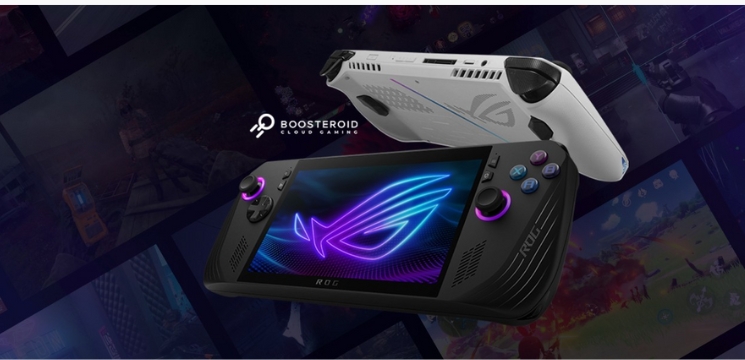
Boosteroid operates differently from the bigger names in cloud gaming. This Ukraine-based service has been around since 2017, making it older than many competitors, though it flies under the radar for most people outside Europe. The platform focuses on accessibility and broad game support rather than bleeding-edge performance, which shapes everything about the experience.
How Boosteroid Works
The setup resembles GeForce Now more than Xbox Cloud Gaming. You connect your existing game accounts from Steam, Epic Games Store, Battle.net, Origin, and others. Boosteroid then streams those games from their servers. You’re not buying games through Boosteroid; they just provide the infrastructure to play what you already own.
This approach has obvious advantages. Your game library stays platform-agnostic. If you eventually stop using Boosteroid, those purchases remain accessible however you want. There’s no ecosystem lock-in beyond your existing platform choices like Steam or Epic.
The catch is familiar territory for this model. Not every game in your library will work. Publisher agreements determine what’s available, creating gaps in coverage. Boosteroid actually supports more titles than GeForce Now currently though, which surprises people discovering the service for the first time.
Game Library and Compatibility
Over 5,000 games reportedly work with Boosteroid now. That number keeps growing as they negotiate with more publishers. Major titles like Fortnite, Apex Legends, Cyberpunk 2077, and Elden Ring all stream fine. Even some games that left GeForce Now remain available here.

Popular Titles
The library includes plenty of what people actually want to play. Current multiplayer hits, recent AAA releases, and a deep catalogue of older titles all show up. Checking specific games before subscribing still makes sense, but coverage has improved substantially over the past couple years.
One interesting aspect: Boosteroid sometimes gets games working faster than competitors. They’ve launched support for new releases within days of their PC debut occasionally. That responsiveness matters when you’re eager to try something generating buzz.
Missing Pieces
Despite broad support, some notable absences exist. Certain publishers remain holdouts, and occasionally games work inconsistently across different storefronts. A title might stream fine from Steam but not Epic, or vice versa. The reasons aren’t always clear from a user perspective.
Pricing Structure
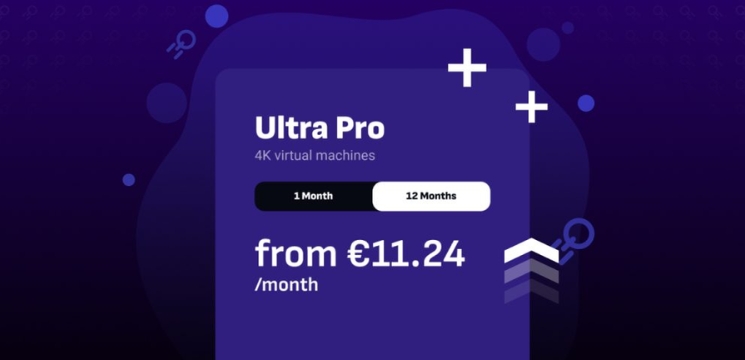
Boosteroid keeps things simple with pricing. One subscription tier at $9.99 monthly, or $7.49 if you commit to three months upfront. Six-month and yearly options drop the monthly cost even further. No free tier exists, but they offer a trial period for testing.
Value Comparison
At $9.99, Boosteroid undercuts most competitors significantly. GeForce Now Priority costs $10.99, Xbox Game Pass Ultimate runs $16.99, and GeForce Now Ultimate hits $21.99. For budget-conscious players, that pricing difference adds up quickly.
The lack of tiered options means everyone gets the same experience though. No premium tier with better performance exists. What you see is what you get, which simplifies decision-making but limits options for users willing to pay more for enhanced quality.
Performance and Streaming Quality
Streaming quality caps at 1080p and 60fps. That’s standard for mid-tier cloud gaming services but falls short of what premium options offer. For most gaming scenarios and display sizes, 1080p proves adequate. Competitive players or those with large 4K displays might find it limiting.
Server performance varies more noticeably than with larger competitors. Sometimes games run beautifully smooth, other times you encounter stuttering or quality drops. This inconsistency suggests infrastructure that’s still scaling to meet demand. Geographic location plays a bigger role here than with services backed by massive cloud providers like Azure or AWS.
Latency Considerations
Input lag depends heavily on proximity to Boosteroid’s data centers, which concentrate in Europe primarily. European players generally report good experiences. North American users see more mixed results, with some reporting perfectly playable latency while others struggle. Asian and other regions face even less predictable performance.
The service doesn’t provide detailed server information or let you manually select connections. Everything happens automatically, which works fine when it works but provides no recourse when it doesn’t.
Device Support and Accessibility
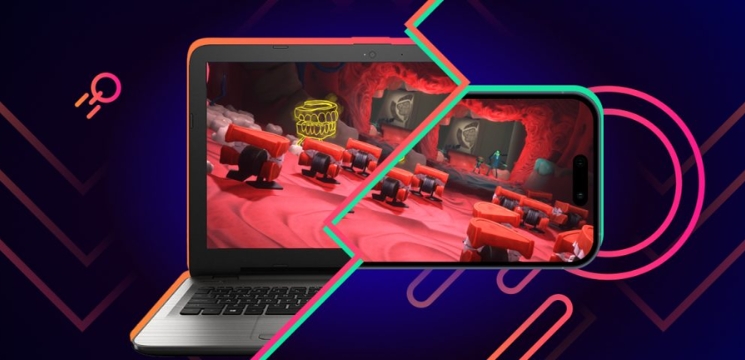
Boosteroid works through web browsers primarily, eliminating installation requirements. Chrome, Edge, Safari, basically any modern browser handles it. This universality means you can game on pretty much any computer, regardless of operating system.
Mobile and Tablets
Android support exists through a dedicated app. iOS users stream through Safari, which works but feels less polished than a native app would. Touch controls aren’t really a focus here, you’ll want a Bluetooth controller for serious gaming on mobile devices.
The mobile experience works decently for casual play or situations where you just want to check something quickly. Extended sessions feel less comfortable than on PC, partly due to interface scaling and partly because mobile connections introduce more variables affecting stability.
Smart TV Support
Some Samsung and LG TVs can run Boosteroid through their browsers. Getting this working requires more technical comfort than dedicated apps would, but it’s possible for people wanting couch gaming without a console.
Internet Requirements
Boosteroid recommends 25 Mbps for optimal 1080p streaming. That sits higher than some competitors’ stated minimums, though real-world requirements for smooth gameplay usually exceed advertised minimums anyway regardless of service.
Connection stability matters enormously. Brief interruptions that wouldn’t affect video streaming cause noticeable disruption in cloud gaming. Wired connections outperform WiFi consistently, especially for games where timing matters.
The service adapts quality based on available bandwidth, which helps maintain playability when network conditions fluctuate. You’ll see resolution drops or compression artifacts rather than complete disconnections usually. Whether that trade-off feels acceptable depends on what you’re playing.
Where Boosteroid Excels
The game library breadth impresses considering the service’s size relative to industry giants. Supporting more titles than GeForce Now while maintaining lower pricing creates clear value for certain users.
Price competitiveness stands out obviously. If you’re primarily evaluating cloud gaming on cost and have the game library already, Boosteroid delivers a lot for $9.99 monthly. The savings versus competitors accumulate significantly over time.
European players benefit most from server proximity. Latency and connection quality for users in that region often rival or exceed what larger services provide. The company’s Ukrainian origins mean they focused infrastructure investment there initially.
Quick Launch Support
Getting new games working relatively quickly after release helps Boosteroid stay relevant. While not instantaneous, their turnaround often beats competitors by days or weeks for certain titles. That matters when everyone’s talking about a new release and you want to jump in.
Where It Falls Short
Performance consistency issues create frustration. The experience can vary significantly between sessions, making it hard to recommend confidently for competitive gaming or situations demanding reliability.
Limited geographic coverage means players outside Europe gamble on whether performance will meet expectations. Expansion continues gradually, but infrastructure investment takes time and money that smaller companies deploy more slowly.
No premium tier option disappoints users willing to pay more for better quality. The single subscription model keeps things simple but also caps the ceiling on what Boosteroid can deliver. People wanting 4K or 120fps+ have no path to get it here.
Customer support responsiveness varies. Being a smaller operation means fewer resources dedicated to support compared to Microsoft or NVIDIA. When issues arise, resolution may take longer or prove more challenging to navigate.
Who Should Consider Boosteroid?
European gamers looking for affordable cloud gaming find the strongest value proposition here. Server proximity and pricing combine favorably for that demographic particularly.
People with extensive Steam or Epic libraries frustrated by GeForce Now’s game gaps might discover better coverage here. The broader publisher support fills some notable holes that competitor services leave.
Budget-conscious users prioritizing cost over cutting-edge performance fit Boosteroid’s sweet spot. If 1080p/60fps meets your needs and you want to minimize monthly expenses, the savings versus alternatives add up quickly.
Less Ideal Matches
Competitive multiplayer enthusiasts need more consistent performance than Boosteroid currently guarantees. The variability in connection quality and lack of premium performance options create disadvantages.
Players far from European servers face uncertainty. While some non-European users report acceptable experiences, enough variability exists that it’s hard to recommend confidently without testing during the trial period first.
Anyone demanding 4K streaming or maximum visual fidelity should look elsewhere. Boosteroid doesn’t position itself as a premium performance option, and the service delivers accordingly.
Boosteroid – Pros and Cons Explained
Here’s the breakdown of Boosteroid’s main advantages and drawbacks.
| Pros | Cons |
| Supports over 5,000 games from multiple platforms | Performance consistency varies between sessions |
| Competitive pricing at $9.99 monthly | Limited server coverage outside Europe |
| Bring your own games from Steam, Epic, and other stores | No premium tier for higher quality streaming |
| Fast support for new game releases | Customer support can be slow to respond |
| Strong performance for European users | Some games work on certain storefronts but not others |
The Competitive Position
Boosteroid occupies an interesting niche in the cloud gaming market. They’re not trying to compete on raw performance or massive marketing budgets. Instead they focus on broad game support, accessibility, and competitive pricing.
This strategy makes sense given their resources and origins. Building a GeForce Now or Xbox Cloud Gaming competitor head-to-head would require capital they don’t have. Carving out a budget-friendly alternative with good-enough performance for most users creates viable differentiation.
The service keeps improving gradually. Server expansion, game additions, and quality enhancements happen regularly if not dramatically. For users whose needs align with what Boosteroid offers currently, the trajectory looks promising enough to justify subscription.
Longer term viability depends on continued publisher relationships and infrastructure investment. Cloud gaming requires substantial ongoing costs. Whether Boosteroid can maintain pricing while expanding capabilities remains to be seen. For now though, they provide legitimate value for the right audience at a price point that’s hard to beat among services with comparable game support.
