
KEY POINTS
- Blacknut now has Activision Blizzard franchises like Call of Duty: Modern Warfare II, Diablo III and the Crash Bandicoot N. Sane Trilogy available to you on Ubisoft+ Premium, which gives its game collection a big boost to over 1,000 strong titles.
- This deal came about because Ubisoft managed to get 15 years of exclusive cloud streaming rights to Activision Blizzard games as part of the Microsoft regulatory clearance process.
- That means Blacknut can now hold its own in the cloud gaming scene; putting it right up there with Xbox Cloud Gaming, GeForce Now and PlayStation Plus Premium in over 65 countries.
Imagine a moment where major titles no longer depend on a console to exist in your hands. That thought once felt distant, yet it now begins to take form in real time. You now witness a transition where access starts to outweigh ownership, and the pace of that change begins to surprise many.
BLACKNUT’S UNEXPECTED PUSH PLACES CALL OF DUTY ACROSS EVERY SCREEN
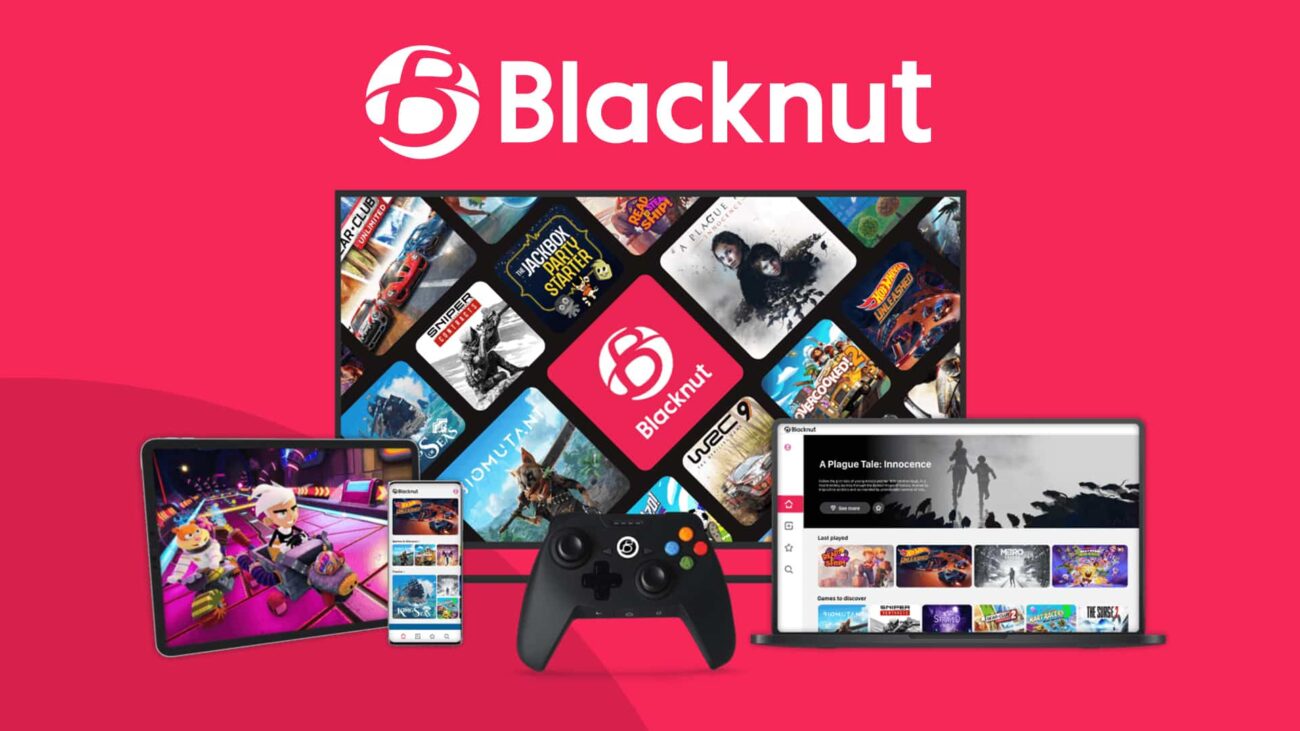
It is now offering gamers some of the best Activision Blizzard games like “Call of Duty: Modern Warfare II,” “Diablo III” and “Crash Bandicoot N. Sane Trilogy,” adding up to more than 1,000 games thanks to Ubisoft + Premium. This is linked with the new way in which games are delivered to gamers, and gamers can access them immediately.
This arrangement links directly to Ubisoft’s 15-year exclusive control over cloud streaming rights for Activision Blizzard titles, secured during Microsoft’s regulatory approval process. That one decision now shapes both the placement and availability of these games within cloud platforms.
As the situation develops, pressure within the cloud gaming space begins to rise. Blacknut steps into direct rivalry with Xbox Cloud Gaming, GeForce Now, and PlayStation Plus Premium, while at the same time extending access across more than 65 countries.
A RAPID SHIFT IN CONTROL WITHIN CLOUD GAMING
Blacknut treats this change as more than a routine update. In a single step, it introduces several globally recognised franchises into its platform. Along with Call of Duty: Modern Warfare II and Diablo III, the system now carries Crash Bandicoot N. Sane Trilogy, Spyro Reignited Trilogy, Warcraft I: Remastered, and Prototype 2.
These games appear through cloud streaming without delay. Players face no downloads, no discs, and no demand for specialised hardware. Such a change reshapes how access begins to function for users.
A few years back, you would have required a top-of-the-line PC or gaming machine that would cost hundreds in order to have these games. Today, these very same games can be played on your TV, PC, tablet, or smartphone. In fact, as more and more individuals embrace this new system, the change becomes evident as hardware gives way to content.
THE UNDERLYING AGREEMENT BEHIND THIS SHIFT
At a glance, the setup seems simple. Yet these Activision Blizzard titles do not arrive through direct licensing routes. Instead, they move through Ubisoft+ Premium, which reshapes the structure operating in the background.
The origin of this setup connects to Microsoft’s effort to acquire Activision Blizzard. During that phase, regulators, including the UK’s Competition and Markets Authority, pushed for a concession. Microsoft then agreed to pass cloud streaming rights for Activision Blizzard titles to Ubisoft for 15 years.
That condition changed how control operates in cloud gaming. Ubisoft now stands as a gatekeeper, with the authority to license these titles to platforms like Blacknut. From this position, it guides both distribution routes and access models within the cloud ecosystem.
Because of this, Ubisoft+ Premium no longer works as a single-publisher offering. It shifts into a wider distribution hub, and Blacknut stands among the first platforms to gain from that structure.
WHY DOES THIS SHIFT CARRY MORE IMPACT THAN IT FIRST SHOWS?
Cloud gaming has carried the promise of access for years, yet real-world execution has kept holding it back. Gaps in content, delays in response time, and limited incentives slowed user adoption. This move is a reaction to one of these gaps through the introduction of games with titles known to many.
Call of Duty and Diablo franchises continue making money, despite their huge fan base around the world. Their arrival changes how Blacknut stands in the market. The platform shifts from maintaining a wide catalogue to delivering premium AAA-level experiences.
Competition now begins to take a different path. As internet infrastructure improves, technical limits start to ease. Attention then moves toward control over content rights and how distribution takes shape.
Blacknut’s approach mirrors this transition in motion. It steps away from dependence on proprietary hardware. It also avoids relying on first-party exclusives. Instead, it builds through partnerships and a growing catalogue, and under current conditions, that model starts to reveal stronger potential.
ACCESS WITHOUT LIMITS, UNDERSTANDING WHAT IT TRULY SIGNALS
The wider effect begins to show when reach comes into focus. Blacknut is active in over 65 nations, encompassing areas in Europe, the Americas, Africa, and Asia. In numerous locations within these regions, the use of consoles remains low owing to prohibitive costs.
The tide is beginning to turn, however. A gamer can now access Call of Duty: Modern Warfare II using a Smart TV or mobile phone without needing expensive hardware. The procedure eliminates any financial burden as well as lengthy installation times.
This step increases the size of the potential audience. It allows entry for players who were previously excluded because of cost. At the same time, Blacknut works with telecom providers, device manufacturers, and media companies to extend distribution through bundled services.
The model begins to move from owning hardware toward accessing a service, and that shift continues to build momentum over time.
A MARKET MOVING INTO ITS MOST COMPETITIVE STAGE
This change comes at a particularly unset time for the cloud gaming industry, as competition continues to heat up. Long-established players like Microsoft’s Xbox Cloud Gaming, NVIDIA’s GeForce Now, and Sony’s PlayStation Plus Premium are already out there – each operates with its own advantage, from hardware ecosystems to exclusive titles.
Blacknut takes a different route into the market. It operates as a pure cloud platform, which places a stronger focus on partnerships and how far distribution can extend.
By securing Activision Blizzard titles, the platform reinforces both of these areas. This step also points toward a wider industry transition. As opposed to the approach where hardware, games, and platforms are kept tightly integrated, the industry slowly but steadily shifts towards a more horizontal ecosystem.
In a horizontally integrated model, content flows between services via licenses, leading to increased complexity of the competitive environment.
THE TECHNOLOGY LAYER STARTS TO CATCH UP SILENTLY
However, content alone cannot bring success; it is also crucial that there is a technological level that will allow us to achieve positive outcomes. Latency, bandwidth, and performance stability become critical when people consider cloud gaming, particularly action-oriented ones.
Recent innovations have been progressively meeting all these needs. For example, the emergence of 5G, edge computing, and video compression becomes helpful in decreasing latency.
These innovations significantly increase the chances of implementing cloud gaming. While most attention stays on content availability, progress in underlying technology continues to support this transition.
EXPERT ANALYSIS, INTERPRETING WHAT THIS MEANS FOR THE INDUSTRY
For platform operators, this development signals a move toward competition driven by content. For services without access to popular content, it might be hard for them to keep their subscribers, regardless of whether they have good technology. Meanwhile, licensing fees start to increase, thus impacting the way they price their offerings and make profits.
In the bigger picture, Ubisoft’s position creates another level of control. By acting as an intermediary for Activision Blizzard’s cloud rights, it gains influence over both distribution and platform access. This position may support the rise of aggregator-style subscription models, where users begin to expect libraries from multiple publishers within a single plan.
Opportunities begin to appear in uneven ways. Platforms like Blacknut gain quick advantages by expanding their catalogues without owning intellectual property. Through bundling, telecom carriers as well as device makers can derive benefits through increasing engagement and decreasing churn. In turn, the publishers find themselves having the capability to deliver content simultaneously through several platforms.
Risks still remain within this structure. Dependence on licensed content places platforms under pressure during renegotiations and potential exclusivity shifts. Smaller competitors may struggle to secure premium titles at costs they can sustain. Fragmentation across subscription services may also introduce complexity similar to what appears in video streaming markets.
Looking forward, further consolidation and deeper partnerships begin to seem likely. Focus will stay on how Ubisoft uses its 15-year control period, whether it chooses to expand distribution or restrict access.
What unfolds here goes beyond a single content update. It reflects a wider restructuring of how games move through distribution, monetisation, and access, and with each agreement, the industry moves further into a different model.
